LD6002H 60G Infant Breathing Heartbeat Detection Radar Module Non-Contact Intelligent Monitoring Sensing Real-Time Signs Sensing
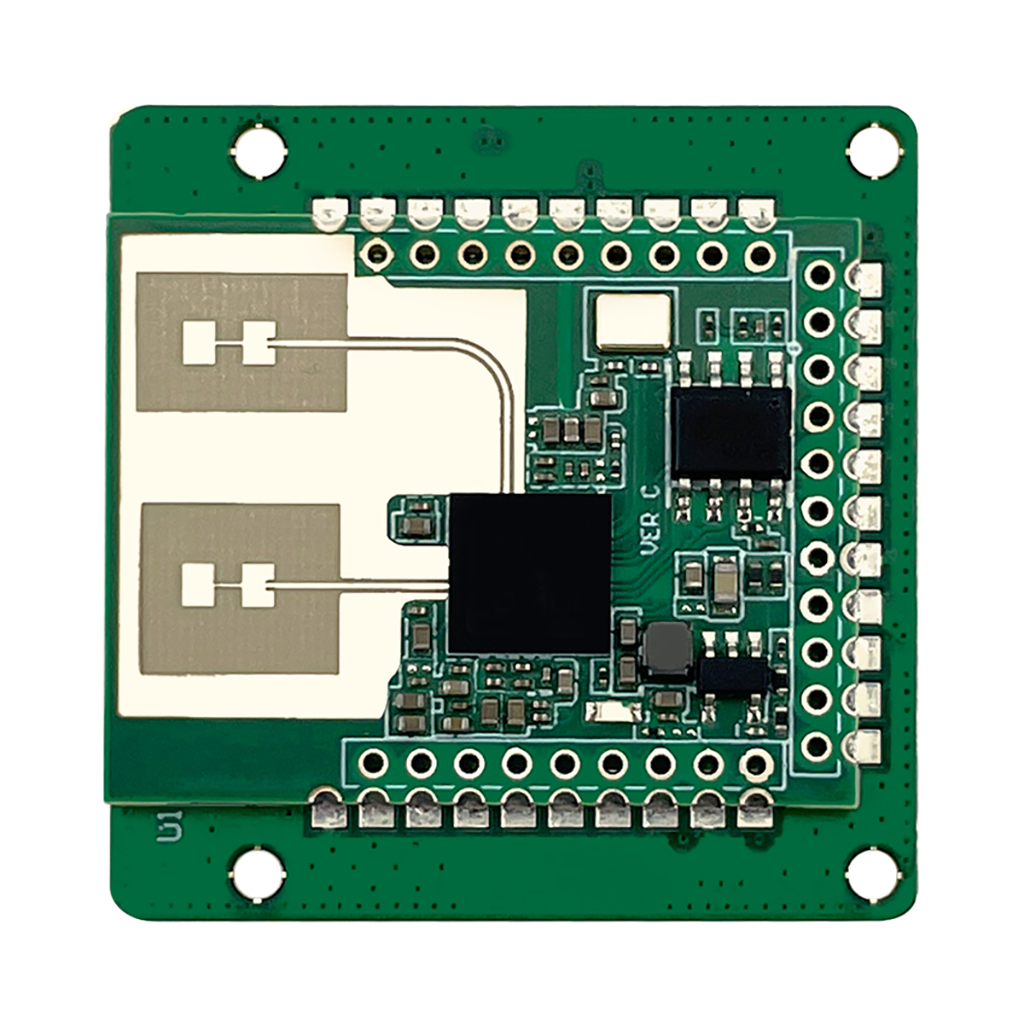
Module Only:
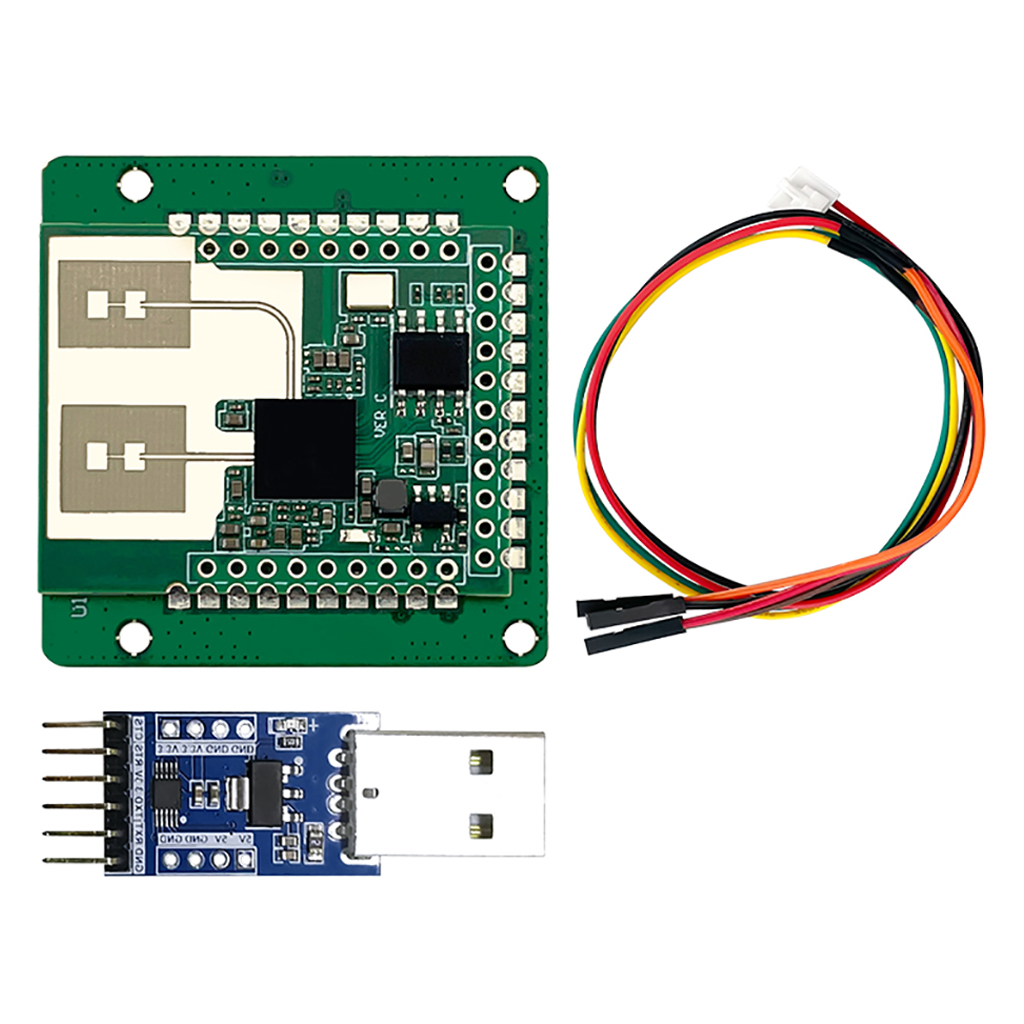
Test Kit:
Product Description
LD6002H is a 60G radar module, based on the FMCW radar mechanism,
detects the reflected radar echoes from the surface of human body,
combined with high-precision radar signal processing algorithms,
to achieve real-time respiration and heart rate frequency monitoring
for specific groups of people.
It is mainly used in smart home, health management and intelligent
recreation scenarios to achieve non-contact respiratory heart rate measurement.
Product features
-Operating frequency: 60G (58-62GHz)
- Transmit power: 8dBm
- Modulation: FMCW
- Antenna Gain: 4dBi
- Detection Angle: Azimuth ± 60° / Pitch ± 60.
- Detection Distance: 0.8~1.5m (respiratory heartbeat/thorax)
- Establishment of detection time: ≥ 1 min
- Maximum number of detectors: 1 person
- Power Requirement: 5V(Typ.)/> 800mA
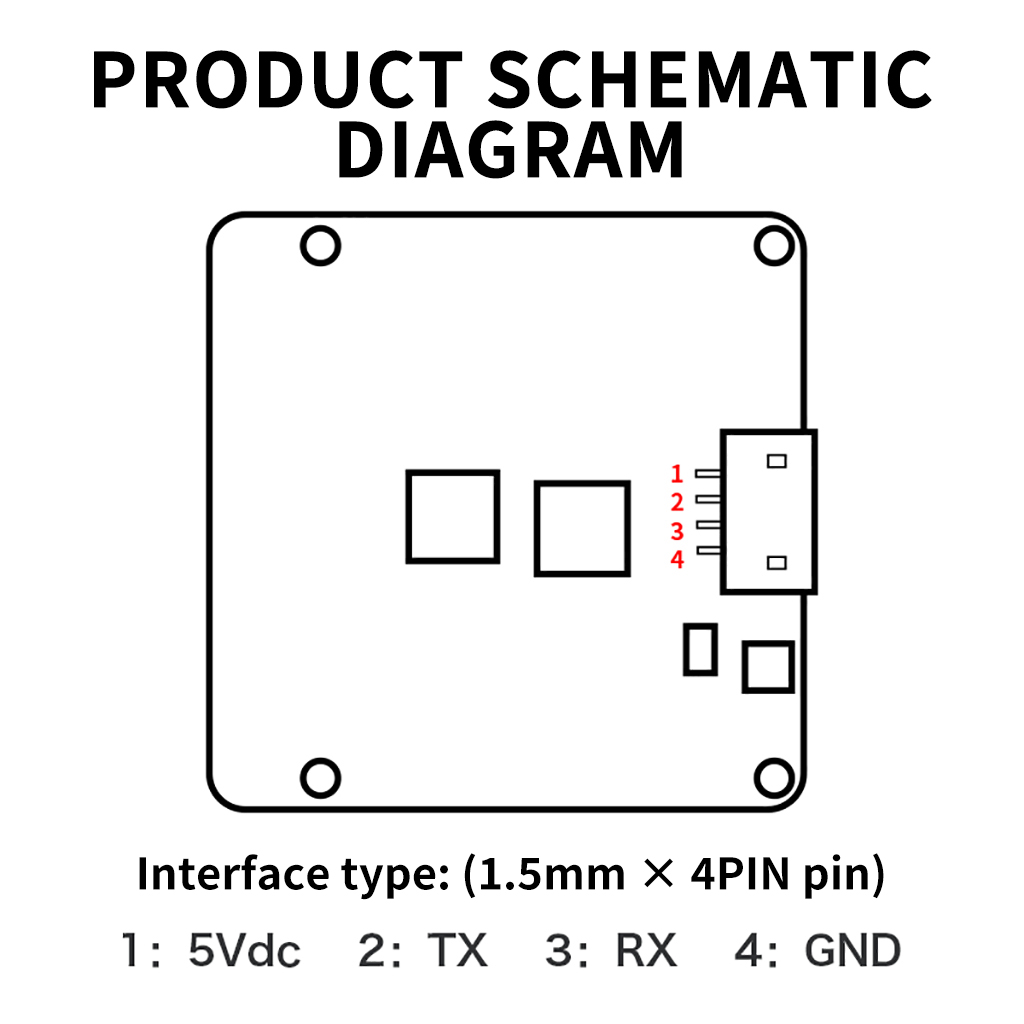
- External Dimension: 38 x 40mm
- Operating Temperature: -40℃~+85
- Ambient Temperature: -40°C~+125°C
- Data format: Serial ASCII output
- Package: Default 1.5mmx4Pin female socket
Installation method and working mode:
Recommended installation mode, H is the height of the radar from the bed board,
Φ is the angle between the radar and the horizontal direction. Considering the
customer's actual use scenario, this product is installed on the wall above the user's bed,
pointing obliquely to the target's chest cavity. In actual use, the position of the radar
and the chest cavity must be kept within 0.8-1.5m, and the chest cavity must be located
within the detection range of the radar's antenna.
(Reference value: radar height H is O0.8m, Φ size is 30°)
Precautions
Start-up time:
As the product is initially powered up and working, the internal circuit needs to be
completely reset in order to ensure the normal operation of the product. Therefore,
when the product is initially powered on, it needs a boot-up stabilisation time of ≥60s
to ensure the validity of the subsequent output parameters. As the respiratory heart rate
is a weak reflective signal, the radar signal processing requires a period of data
accumulation, in the accumulation process there are many factors affecting the radar
processing results, so occasional detection failure is a normal phenomenon.
Effective Detection Range
The detection distance of radar is related to the target RCS and environmental factors,
the effective detection distance may change with the environment and target changes,
and with the age and size of the subject, so the effective detection distance fluctuates
in a certain range is a normal phenomenon.
Power supply
The radar module requires a higher quality of power supply than conventional low frequency
circuits. When supplying power to the module, the power supply is required to have no
threshold burr or ripple phenomenon, and effectively shield the power supply noise brought
by the accessory equipment. Radar module needs good grounding, due to other circuits to
bring the noise, may also cause the radar module performance degradation or even work
abnormally; the most common is to lead to the detection distance becomes closer or false
alarm rate increases. In order to ensure the normal operation of the VCO circuit inside the module,
the power supply of the module is required to be +5V or so, with a voltage ripple of ≤100mV;
at the same time, the external power supply must provide sufficient current output
and transient response capability.
Installation Location
Away from the air outlet of electrical appliances, such as fans, air conditioners, heaters, etc.,
to prevent damage to the internal chip, avoid installation in humid environments,
such as humidifiers, bathrooms, etc..
Common Problems
Interference factors: Radar belongs to electromagnetic wave detection sensor,
activity of non-living body will lead to false alarms. The movement of metal
and liquid will lead to false alarms. Often, electric fans, pets close to the radar,
and shaking of metal curtains can cause false alarms. Radar needs to be planned
in terms of installation angle as well as installation place.
Non-interference factors: Radar electromagnetic waves can penetrate human
clothing, curtains, thin wood panels, and glass. Depending on the application,
the installation angle and performance of the radar need to be determined.
Semi-interference factor: Radar is not suitable to face the air conditioner directly
when it judges the presence of human body. The internal circuitry of the air conditioner
can cause the radar to misjudge the presence of the human body. Need radar products
do not directly face the air conditioning. Or in the same direction as the air conditioner.








No related record found